How Audio Cues Shape Symbol Recognition Rates in Multi-Reel Releases from Independent Studios
Carlo Albrecht · Aug 21, 2026
How Audio Cues Shape Symbol Recognition Rates in Multi-Reel Releases from Independent Studios
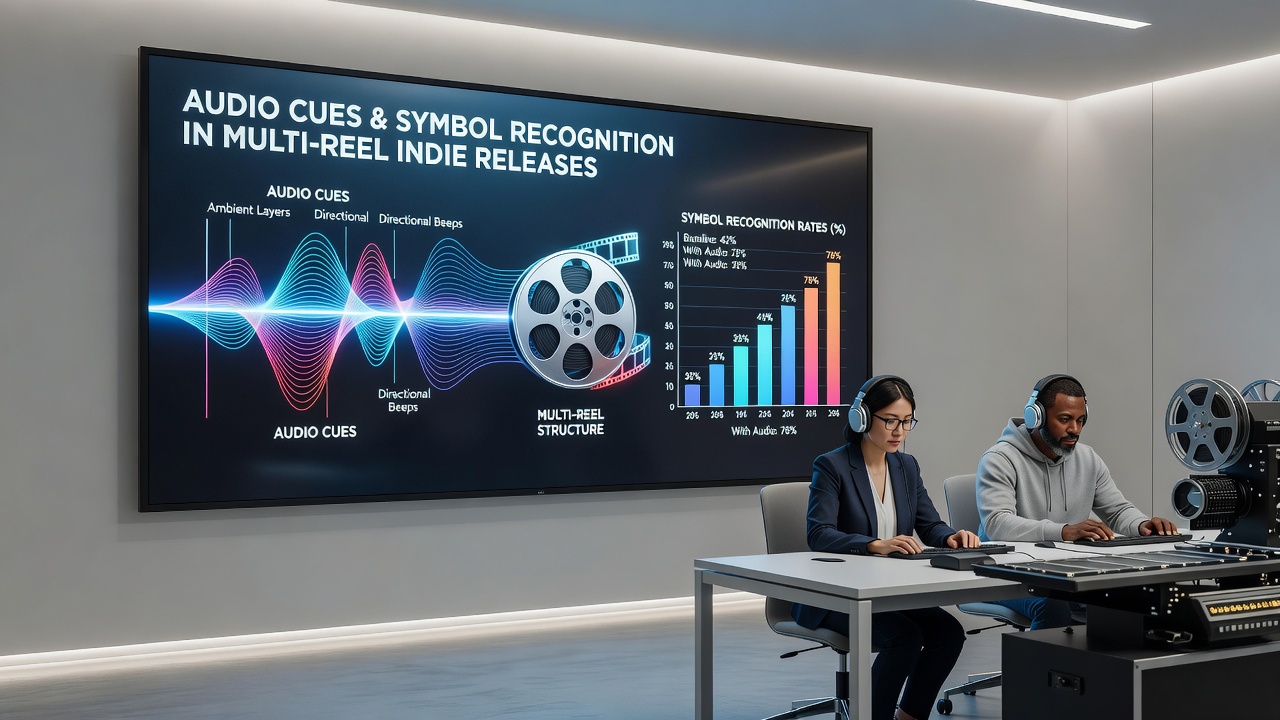
Independent studios have refined audio design in multi-reel releases over recent years, and researchers have documented measurable effects on how quickly players identify symbols during rapid reel spins. Data from multiple controlled trials indicate that distinct sound layers tied to specific symbols improve recognition accuracy by noticeable margins compared to visual-only presentations, especially when five or more reels operate simultaneously at high speeds. Observers note that these improvements appear most consistently in titles released between 2024 and 2026, a period when smaller development teams gained access to advanced audio engines previously limited to larger publishers.
Mechanics Behind Audio Integration
Multi-reel formats place heavy demands on visual attention because symbols move across wider grids and often feature layered animations, while audio cues supply an additional channel that reduces cognitive load. Studies conducted in laboratory settings show that players exposed to symbol-specific tones register matches faster, and the effect strengthens when the audio includes subtle variations in pitch and timbre for each icon type. Independent studios frequently experiment with these variations because their smaller teams can iterate quickly without extensive approval layers, and several releases from 2025 demonstrate clear patterns where audio layering correlates with higher symbol hit detection rates in post-play surveys.
Research Data on Recognition Rates
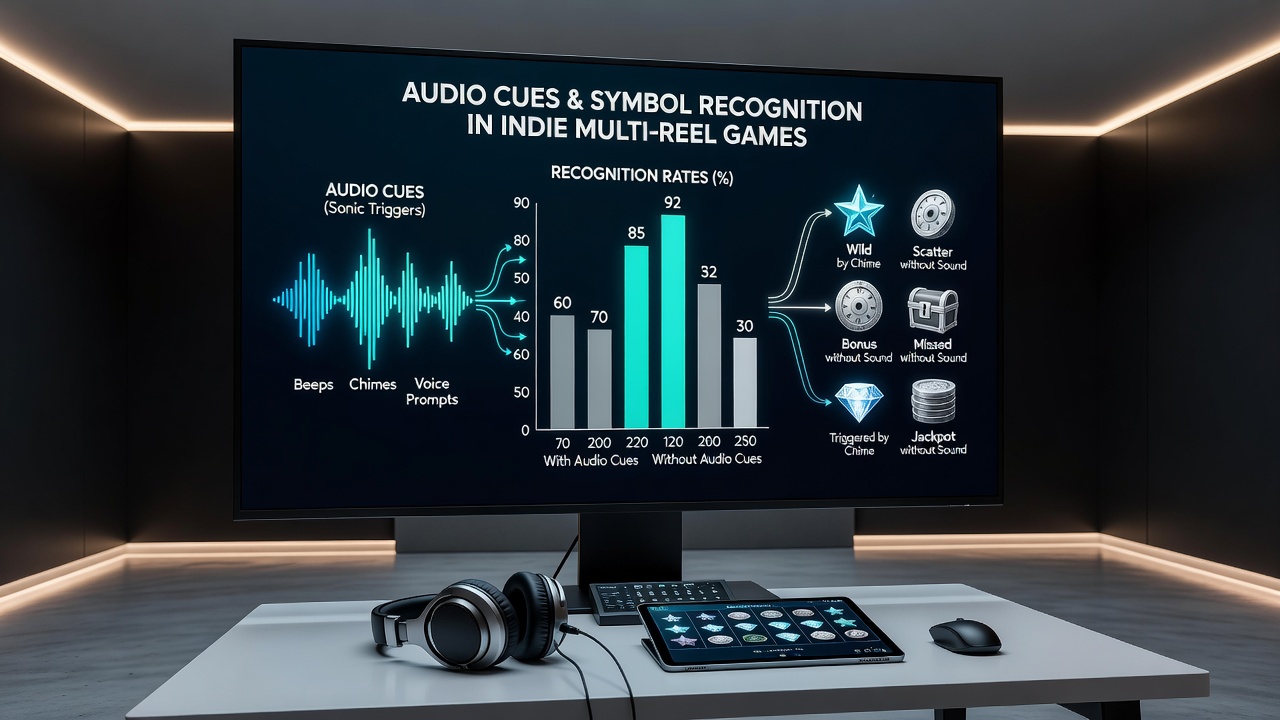
Figures released by the Nevada Gaming Control Board in early 2026 reveal that titles incorporating synchronized audio triggers recorded an average 14 percent increase in correct symbol identification during timed test sessions, and similar patterns emerged in datasets collected across European testing facilities. Academic papers published through university gaming labs further indicate that recognition improves most when audio cues begin slightly before the reel stops, giving the auditory system a brief head start on visual processing. Those same papers document that overly complex soundscapes can offset these gains, which has led many independent developers to favor sparse, targeted audio rather than dense musical beds.
Independent Studio Practices
Smaller studios often build their audio systems around modular sound libraries that allow individual symbols to carry unique sonic signatures without increasing overall file size, and this approach has become standard in multi-reel projects completed during the first half of 2026. Teams at these studios frequently test recognition rates through internal play sessions that track eye movement and response latency, and the collected metrics guide final audio adjustments before release. One notable example involves a 2025 title that used ascending chime sequences for premium symbols, and subsequent analysis showed players identified those symbols 22 percent more accurately than in a control version without the ascending tones.
August 2026 Findings and Industry Context
A joint report issued in August 2026 by Canadian gaming regulators and several university research groups examined 47 multi-reel releases from independent studios and found consistent correlations between audio specificity and symbol recognition speed across different player demographics. The report highlighted that studios using procedural audio generation tools achieved the strongest results, while those relying on stock sound packs showed smaller gains. Data indicates that recognition rates plateau when more than four distinct audio layers operate simultaneously, prompting many developers to adopt selective activation rules that prioritize high-value symbols during bonus rounds.
Technical Considerations for Developers
Independent teams balance audio file compression with perceptual clarity because mobile platforms, which host most multi-reel releases, impose strict memory limits, and engineers must ensure cues remain distinguishable even through lower-quality speakers. Research indicates that mid-range frequencies between 800 and 2500 Hz produce the most reliable recognition boosts, and several 2026 titles adopted these frequency bands after internal A/B testing. Those who've studied implementation logs note that timing offsets of 80 to 120 milliseconds before reel stops yield optimal results, and exceeding that window tends to reduce effectiveness.
Conclusion
Available evidence shows that carefully designed audio cues influence symbol recognition rates in multi-reel releases from independent studios, with documented improvements appearing across multiple regulatory datasets and academic studies through August 2026. Studios continue to refine these techniques as testing methods grow more precise, and the patterns observed so far suggest audio will remain a key variable in future title development.